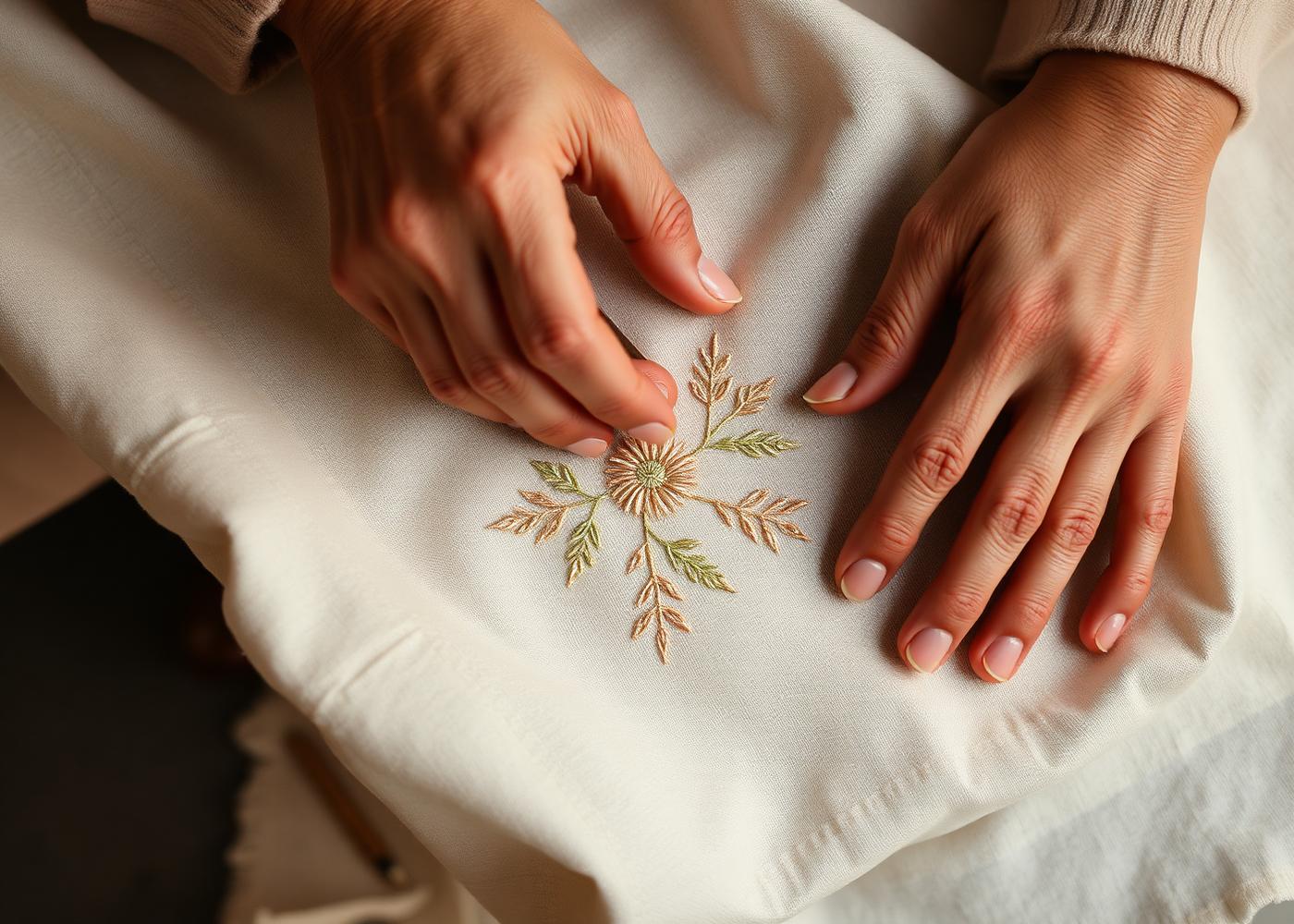
Modest fashion is projected to exceed USD 375 billion by 2027, driven by a generation of Muslim and non-Muslim women who want beautifully-made clothing that respects their values. Starting a brand in this space in 2026 is not about copying what's on Instagram — it's about picking a sharp niche, building a real product, and choosing a manufacturer who can grow with you. This is the playbook we walk our founder clients through, distilled from 20+ years producing modest wear for 200+ brands across 40+ countries.
Step 1 — Pick a niche narrow enough to win
The number one mistake first-time founders make is trying to launch a brand for 'all modest women'. That audience already has Uniqlo, Modanisa and Shein competing for it. You cannot outspend them, so you must out-position them.
A winning 2026 niche has three attributes: it names a specific customer, solves a specific product problem, and targets a specific price point. For example: 'Bridal-ready, drape-perfect satin abayas for GCC brides aged 22–34, priced USD 180–320.' That is a brand you can build. 'Modest clothing' is not.
How to stress-test your niche
- Can you name 5 real customers who would buy this today?
- Is there at least one competitor already succeeding in an adjacent slice?
- Can you describe the product in one sentence a buyer would repeat to a friend?
- Is the average order value high enough to survive paid acquisition costs?
Step 2 — Design a small, disciplined first collection
Almost every brand we've helped launch made the same second mistake: too many SKUs. A first drop should be 6–12 pieces maximum, engineered so any two pieces work together. This keeps sampling costs low, keeps your MOQ investment sane, and lets you learn what customers actually reorder before scaling range.
Think in capsules, not catalogues. A strong first capsule usually has one hero silhouette (the piece that anchors your identity), 3–4 supporting pieces (tops, bottoms or layering pieces that complement the hero), and 2–3 accessories or extensions (a matching shawl, a colour variant, a size range extension).
The founders who scale fastest launch smaller than they think they should. They win with 8 obsessive pieces, not 40 average ones.
Step 3 — Build a manufacturer-ready tech pack
A tech pack is the single document your manufacturer uses to quote, sample and produce your garment. Every gap in your tech pack becomes a guess a factory has to make — and every guess costs you either quality, margin or time.
At minimum a tech pack for modest wear should include:
- Flat sketches (front, back, and any critical detail views)
- Measurement chart with points of measure across your intended size range
- Fabric specification: composition, GSM, weave, finish, hand-feel notes
- Colourway with Pantone TCX / TPG references
- Trims: buttons, zips, stoppers, elastic, thread — with quantities and suppliers where known
- Labels: main label, care label, size label, hangtag artwork
- Packaging: polybag, hangtag placement, folding instructions, master carton spec
- Special construction notes: linings, interfacings, hem finish, embroidery placement
If you're a first-time founder, you don't need to build this alone. Full-service manufacturers like Xair Clothify offer tech-pack development as part of the sampling stage — you bring inspiration, sketches or a reference garment, and we translate it into production-ready documentation.
Step 4 — Choose the right manufacturing partner
Modest wear has technical requirements most general apparel factories underestimate: drape behaviour, opacity, hijab-friendly necklines, prayer-safe fits, and finish quality that reads 'luxury' at first touch. A factory that has been producing modest wear for years will already know these — a factory that hasn't will learn them at your expense.
What to evaluate
- Modest-wear specialisation and reference clients (ask to see actual production photos, not just website images)
- MOQ that matches your ambition — a factory whose minimum is 5,000 pcs is a poor fit for a founder starting with 300
- Sampling capability and lead time — 1–3 weeks is healthy, 6+ weeks signals a factory that treats samples as filler work
- In-house fabric library or sourcing — otherwise you're managing three vendors instead of one
- Communication culture — the sales response you get in week one is roughly the response you'll get during a production crisis
- Export experience to your target market — customs paperwork alone can delay a launch by weeks
Step 5 — Sample properly (this is where brands are won or lost)
Never approve bulk production off a photo. Every serious brand orders at least one physical prototype per style, wears it, washes it, has three real customers try it, and only then signs off. The cost of a sample is trivial compared to the cost of a failed bulk run.
Expect two rounds: a fit prototype (pattern + construction correct, may be in a substitute fabric) and a pre-production sample (final fabric, colour, trims and packaging exactly as bulk will ship). Approving both is the last checkpoint before your capital goes into full production.
Step 6 — Structure your first bulk run to reduce risk
For a first collection we recommend ordering 200–500 pieces per hero style and 100–200 per supporting style, split across a tight size and colour range. Yes, you'll sell out faster than a bigger order would — that is intentional. Selling out builds waitlists, waitlists build brand, and reordering with sales data is dramatically less risky than guessing again.
- Payment terms are typically 30–50% deposit at order confirmation, balance before shipment
- Bulk lead time is usually 4–10 weeks depending on complexity and fabric availability
- Always request in-line QC photos at 50% completion, not just a final inspection
- Book shipping (air vs sea) at order confirmation — freight rates fluctuate weekly
Step 7 — Launch with a pre-order waitlist, not a full-price drop
The single highest-ROI launch tactic in 2026 is a pre-order waitlist opened 6–10 weeks before your bulk lands. It validates demand with real emails, funds part of your production, and gives you first-day sell-through instead of a silent launch.
Combine it with: 3–5 pieces of hero content shot on real customers (not just studio flat-lays), one long-form founder story that anchors your positioning, and a tight paid-social budget to accelerate the waitlist. Everything else is optimisation.
Frequently asked questions
- How much money do I need to start a modest fashion brand?
- A disciplined first capsule of 6–8 styles at 200–500 pcs each typically costs USD 8,000–25,000 in production plus USD 2,000–5,000 in sampling, tech packs and branding. Marketing and shipping are additional. Founders who start smaller than this usually cannot achieve the per-unit cost needed to survive paid acquisition.
- What is a realistic MOQ for a new modest wear brand?
- For serious specialist manufacturers like Xair Clothify, MOQs typically start at 100–300 pieces per style / colour. Factories with much lower MOQs (10–50 pcs) often route through resellers and cannot guarantee the fabric or finish consistency a premium brand needs.
- Can I start a hijab or abaya brand without a factory visit?
- Yes — every serious manufacturer runs a full remote workflow: video calls, tech-pack collaboration, courier-shipped samples and progress photos. A visit is helpful but not required. What matters more is picking a manufacturer with a strong sampling process and clear communication.
- How long from first call to my products landing?
- For a first-time founder with clear inspiration but no tech pack: budget 2–4 weeks for sampling, 4–10 weeks for bulk production, 1–3 weeks for shipping. So roughly 8–17 weeks from serious kick-off to product in hand.
 Hijab Manufacturer Guide: How to Choose the Right Factory in 2026Choosing a hijab manufacturer is the highest-leverage decision a modest-wear founder makes. This guide walks through everything that matters.
 Private Label vs OEM vs ODM Manufacturing: Which Model Fits Your Brand?Three manufacturing models, three very different founder journeys. Here's how to choose the right one for the brand you're actually building.