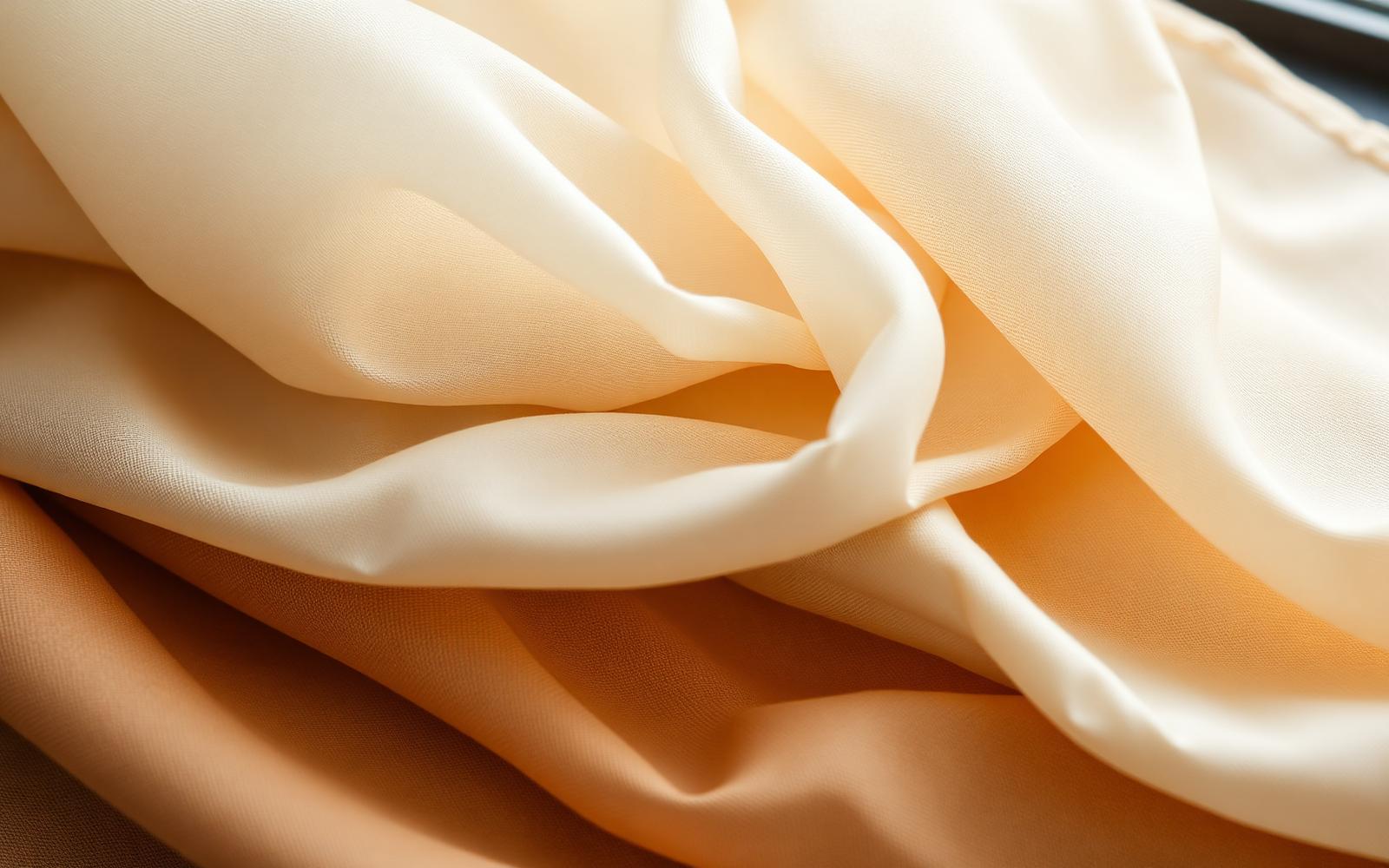
The global hijab market is dominated by a handful of well-branded labels — and thousands of anonymous factories that make product for everyone else. Picking the right one determines your margin, your reorder rate, and whether your customers become repeat buyers or one-time disappointments. Here is the framework we walk buyers through when they audit hijab manufacturers, based on two decades supplying tudung, shawls and premium hijabs to brands worldwide.
Why hijab-specialist manufacturing beats general apparel factories
A hijab is deceptively technical. Fabric weight has to hold shape without slipping. Cut edges must not fray after 30 washes. The drape has to fall a specific way when pinned. Non-slip finishes are needed for some styles, breathable weave for others. A general apparel factory that stitches shirts and dresses can technically produce a hijab, but they will not build a repeat-purchase product.
A specialist hijab manufacturer already knows the difference between Malaysian bawal cotton and Turkish crepe, between Korean chiffon and Chinese georgette, between a satin that photographs well and one that wears well. That accumulated know-how is worth more than a lower per-unit price.
The core hijab styles and what they demand from a factory
Square hijabs
The technical bar here is fabric consistency and cut accuracy. A 110×110 cm square that comes out 108×112 in production ruins the drape. Look for a factory with laser cutting or precision rotary cutting on wovens.
Rectangular / long shawls
Hemming is everything. A rolled hem that puckers or a machine hem that shows thread tension is an immediate return. Ask specifically about hemming machinery and finishing QC.
Bawal (starched, structured hijabs)
Requires the right base cotton and a stable starch finish. Cheaper factories skip the starch stability test — the hijab feels perfect on delivery and softens within 5 washes.
Instant / slip-on hijabs
The engineering is in the panel construction, seam allowance and elastic tension. A wrong-tension elastic pinches. A wrong panel angle exposes hair. This is a category where sampling matters most.
Sports & performance hijabs
Needs technical knit fabrics (moisture-wicking polyester blends), flatlock seams, and often laser-cut edges. Not every hijab factory is set up for this — confirm before quoting.
The 6 hijab fabrics you'll be quoted on — and how to evaluate them
- Chiffon (100% polyester / poly-silk blend): most common. Cheap grades fray; premium grades have a soft drape and hold colour well. Ask for GSM.
- Satin (poly / silk-touch): high shine, luxurious drape. Poor grades slip constantly — pin retention is a real QC criterion.
- Cotton voile / bawal: breathable, structured. Quality depends on cotton origin and finish.
- Jersey (viscose blend): stretch, casual wear. Watch for pilling after washing.
- Georgette: textured drape. Middle-market default; big quality range.
- Crepe / crinkle: on-trend texture. Requires the right weave to avoid over-crinkling in wash.
Always request physical fabric swatches before approving a sample. Photos lie about hand feel, and hand feel is what your customer buys.
MOQ, pricing and lead times — what's realistic in 2026
Serious hijab manufacturers operate at MOQs of 100–500 pcs per style / colour. Factories offering 10–20 pcs MOQ are almost always reselling stock from a larger factory with a mark-up — you save on order size, but lose control over fabric, colour and finish.
Sampling: 1–3 weeks for standard styles, longer for custom-cut technical hijabs. Bulk: 3–8 weeks depending on volume and finishing complexity. Anything shorter usually skips a QC step; anything longer usually means your order is filling factory downtime, not a priority slot.
The quality-control checkpoints a professional factory runs
- Incoming fabric inspection: check GSM, colour vs approved swatch, defects per bolt
- Pattern & cutting QC: dimensional accuracy against approved size chart
- In-line stitching audit at 20% and 50% of production
- Finishing QC: hem consistency, edge treatment, colour bleeding wash test
- Random per-carton final inspection at 100% completion
- Packaging QC: label placement, polybag seal, carton labelling
Ask for QC photos at each stage — a factory that resists sharing them is not a factory you want handling your brand.
Red flags that should end the conversation
- Refuses to share physical fabric swatches before sampling
- Won't name reference brands or show real production photos
- MOQs mysteriously drop after the first quote (usually means resale sourcing)
- Sample quality doesn't match the reference garment you shared
- Communication drops off between quote and order confirmation
- No written spec sheet or PI (proforma invoice) before deposit
Why Malaysia has become a hijab manufacturing hub
Malaysia sits at the intersection of a large domestic modest-wear market, decades of established tudung and hijab craftsmanship, competitive labour costs relative to Turkey and the UAE, and strong export infrastructure to the Middle East, Southeast Asia and beyond. Malaysian factories tend to combine the quality standards of Turkish production with pricing closer to Vietnamese or Chinese equivalents.
For brands targeting GCC or SEA customers, Malaysia-manufactured hijabs also carry a real brand advantage — the tudung heritage is respected across the modest-wear market.
Frequently asked questions
- What is a realistic MOQ for private-label hijabs?
- For a serious specialist manufacturer: 100–300 pcs per style per colour. Below that, you're almost certainly buying resold stock rather than custom production.
- Can I get custom prints and embroidery on hijabs?
- Yes. Digital printing, screen printing, sublimation, embroidery and laser-cut motifs are all standard capabilities at a specialist factory. Confirm minimums per technique — printing usually has a fabric-metre MOQ, embroidery has a per-piece minimum.
- How much does a private-label hijab cost to manufacture?
- Ex-factory pricing typically ranges from USD 2–4 for standard chiffon and cotton hijabs to USD 6–14 for premium satin, sports-tech and heavily-embellished styles. Fabric grade and order volume drive the range.
- Do hijab manufacturers handle branded packaging?
- A full-service manufacturer will handle woven main labels, printed care labels, hangtags, polybags and branded outer boxes as part of standard finishing — no separate packaging vendor needed.
 How to Start a Modest Fashion Brand in 2026: The Complete Manufacturer's PlaybookFrom brand positioning to first bulk production run — a complete, honest playbook for founders launching a modest-wear label in 2026.
 Private Label vs OEM vs ODM Manufacturing: Which Model Fits Your Brand?Three manufacturing models, three very different founder journeys. Here's how to choose the right one for the brand you're actually building.